For decades, traditional steel coil springs and leaf springs were the standard for automotive and industrial suspension. However, as the demand for adaptable, high-performance load management grew, pneumatic technology took center stage. Today, air suspension systems are not just luxury add-ons; they are essential engineering solutions across multiple industries.
Understanding how these systems function is crucial for B2B distributors and procurement managers who need to explain their value proposition to end-users.
The Core Mechanics: How Air Replaces Steel
At its most basic level, an air suspension system replaces traditional metal springs with flexible rubber bellows (air springs) filled with compressed air. The system relies on a closed-loop network of components working in perfect harmony:
-
The Air Compressor: An onboard electric pump that draws in outside air, compresses it, and stores it in a reservoir tank.
-
Electronic Control Unit (ECU) & Sensors: Height sensors mounted on the vehicle's axles constantly read the distance between the chassis and the road. This data is fed to the ECU in milliseconds.
-
The Valve Block: Acting as the "traffic controller," the valve block opens and closes specific circuits based on ECU commands, sending compressed air into, or releasing air from, individual air springs.
-
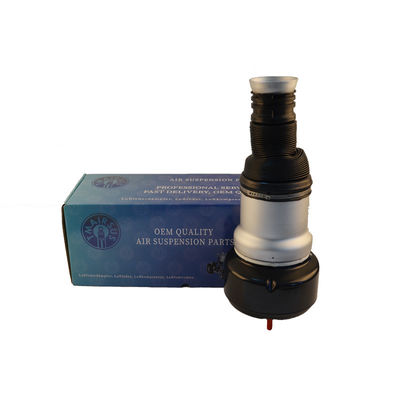
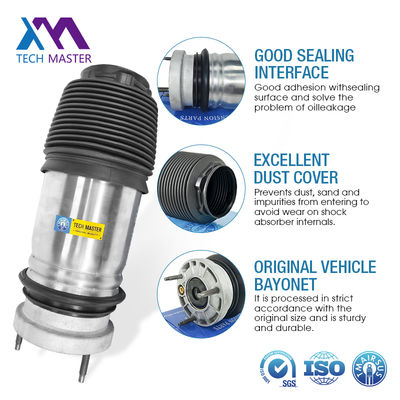
The Air Springs: As compressed air enters the rubber bellow, it inflates, raising the chassis. When air is released, the chassis lowers. This creates a variable spring rate that steel coils simply cannot achieve.
Why is Air Suspension Essential?
1. Automotive: Dynamic Load Leveling
When a standard vehicle is loaded with heavy cargo or tows a trailer, the rear sags. This compromises steering geometry, headlight aim, and braking efficiency. Air suspension detects this added weight and automatically inflates the rear air springs, returning the vehicle to a perfectly level stance. This ensures optimal safety and tire wear.
2. Industrial: Precision in Paper Making Machines
The necessity of air springs extends far beyond vehicles. In heavy industrial applications, such as paper making machines, maintaining exact, uniform pressure across massive steel rollers is critical. Hydraulic systems can be too rigid or leak oil, ruining the paper. Air springs act as highly responsive pneumatic actuators. They apply constant, even tension across the calendar rollers, adapting instantly to microscopic variations in paper thickness to prevent tearing and ensure a flawless final product.


 Ihre Nachricht muss zwischen 20 und 3.000 Zeichen enthalten!