Wie Fahrwerksprobleme die Fahrzeugleistung beeinflussen: Ein technischer Leitfaden für moderne Luxusfahrzeuge
Veröffentlicht von TECH MASTER
Einleitung
Moderne Luxusfahrzeuge sind so konstruiert, dass sie ein Gleichgewicht zwischen Komfort, Handling und Sicherheit bieten. Ob auf Stadtstraßen oder bei Autobahngeschwindigkeiten, das Fahrwerkssystem arbeitet kontinuierlich, um Straßenstöße zu absorbieren und den Reifenkontakt mit der Fahrbahnoberfläche aufrechtzuerhalten.
Mit zunehmender Laufleistung verschleißen die Fahrwerkskomponenten allmählich. Viele frühe Symptome sind subtil und werden oft mit Reifen- oder Lenkungsproblemen verwechselt. Das Verständnis dieser Warnzeichen kann Fahrzeughaltern und Reparaturprofis helfen, Probleme zu diagnostizieren, bevor sie zu schwerwiegenderen mechanischen Ausfällen führen.
Dieser Artikel untersucht aus technischer Sicht den Zusammenhang zwischen Fahrwerksleistung, Stoßdämpfern und der Zuverlässigkeit des Kühlsystems.
Die Rolle eines Stoßdämpfers verstehen
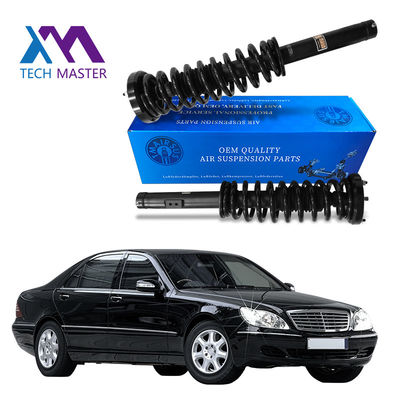
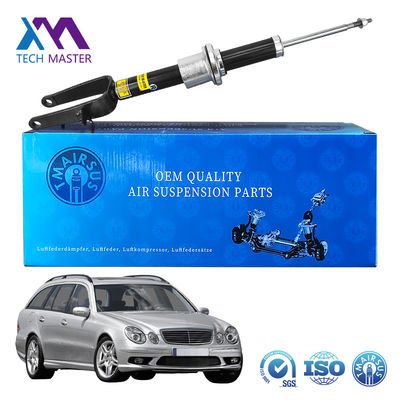
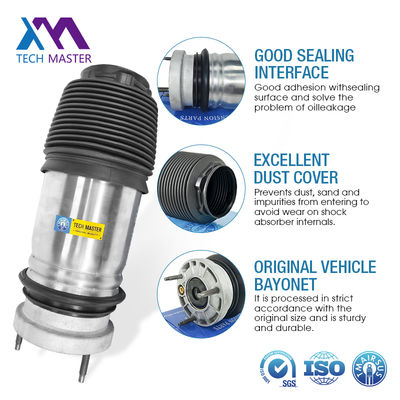
Ein weit verbreitter Irrtum ist, dass Stoßdämpfer das Gewicht eines Fahrzeugs tragen. In Wirklichkeit besteht ihre Hauptfunktion darin, die Federbewegung zu kontrollieren und kinetische Energie durch hydraulische Dämpfung in Wärme umzuwandeln.
Ohne effektive Dämpfung würde das Fahrwerk nach jedem Schlag weiter schwingen, was die Fahrzeugstabilität verringert und den Bremsweg verlängert.
Ein richtig funktionierender Stoßdämpfer hilft:
- Den Reifenkontakt mit der Straße aufrechtzuerhalten
- Die Lenkpräzision zu verbessern
- Die Karosserieneigung bei Kurvenfahrten zu reduzieren
- Den Fahrkomfort zu erhöhen
- Andere Fahrwerkskomponenten vor übermäßigen Stößen zu schützen
Diese Vorteile sind besonders wichtig bei Fahrzeugen, die mit fortschrittlichen Fahrwerkstechnologien ausgestattet sind.
Häufige Symptome von Fahrwerksverschleiß
Fahrwerksprobleme treten selten über Nacht auf. Stattdessen nimmt die Leistung allmählich ab, da die Komponenten langfristigen mechanischen Belastungen ausgesetzt sind.
Typische Symptome sind:
Übermäßiges Fahrzeugschwingen
Wenn das Fahrzeug nach dem Überfahren eines Geschwindigkeitshügels weiter schwingt, liefert der Stoßdämpfer möglicherweise keine ausreichende Dämpfkraft mehr.
Ungleichmäßiger Reifenverschleiß
Eine schlechte Fahrwerkskontrolle kann zu unregelmäßigem Reifenkontakt führen, was zu vorzeitigem Verschleiß auf einer Seite des Profils führt.
Lenkinstabilität
Fahrer bemerken möglicherweise eine verzögerte Lenkreaktion oder eine geringere Sicherheit bei Spurwechseln.
Fahrgeräusche
Klopf- oder Rasseltöne können auf verschlissene Lager, Buchsen oder interne Stoßdämpferschäden hinweisen.
Längerer Bremsweg
Wenn die Fahrwerksbewegung nicht richtig kontrolliert wird, nimmt die Reifenhaftung beim Bremsen ab, was die Bremsleistung beeinträchtigt.
Warum die Abstimmung der Komponenten entscheidend ist
Moderne Fahrwerksysteme sind als komplette Einheiten und nicht als Einzelteile konzipiert.
Der Austausch nur einer verschlissenen Komponente ohne Überprüfung verwandter Teile kann die Gesamtleistung des Systems beeinträchtigen.
Professionelle Techniker empfehlen im Allgemeinen die Bewertung von:
- Stoßdämpfern
- Schraubenfedern
- Luftfederkomponenten
- Querlenkern
- Buchsen
- Kugelgelenken
- Fahrwerkslagern
Ein ausgewogenes Fahrwerkssystem sorgt für ein konsistenteres Handling und eine längere Lebensdauer.
Luftfedersysteme erfordern zusätzliche Aufmerksamkeit
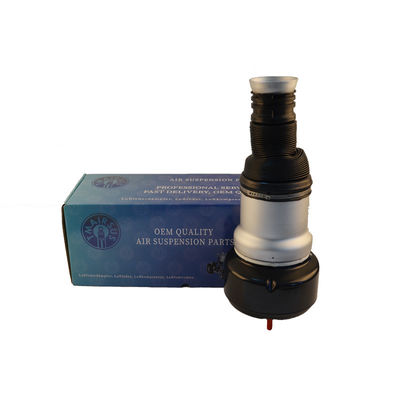
Viele Premium-Fahrzeuge verwenden elektronisch gesteuerte Luftfederung anstelle herkömmlicher Schraubenfederungssysteme.
Die Luftfederung bietet eine einstellbare Fahrhöhe und verbesserten Komfort, führt aber auch zusätzliche Komponenten ein, die regelmäßige Inspektion erfordern.
Die Wartung sollte umfassen:
- Luftfedern
- Kompressoren
- Ventilblöcke
- Höhensensoren
- Luftleitungen
Die frühzeitige Erkennung von Lecks oder Druckverlust kann eine Überlastung des Kompressors verhindern und Reparaturkosten senken.
Der Zusammenhang zwischen Fahrwerk und Kühlsystemen
Obwohl Fahrwerks- und Motorkühlsysteme unterschiedliche Funktionen erfüllen, tragen beide zur Zuverlässigkeit des Fahrzeugs bei.
Fahrwerkskomponenten erfahren kontinuierliche mechanische Bewegung, während Kühlsysteme unter ständigem thermischem Stress arbeiten.
Eine zuverlässige Kühlung hängt von Komponenten wie ab:
- Kühlern
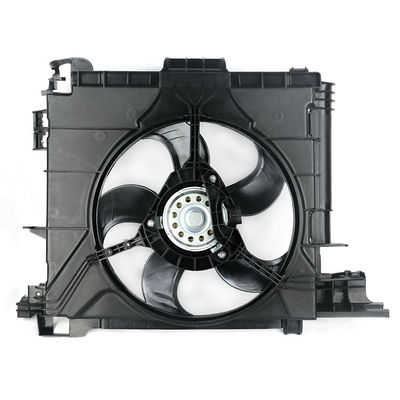
- Kühlerlüftereinheiten
- Ausgleichsbehältern
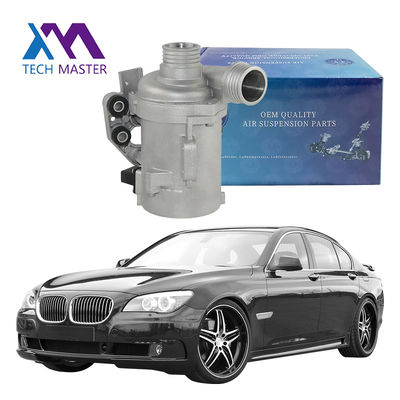
- Wasserpumpen
- Thermostaten
Ein ordnungsgemäßes Wärmemanagement hilft, die Motoreffizienz aufrechtzuerhalten, so wie eine effektive Fahrwerksdämpfung die Fahrzeugstabilität aufrechterhält.
Beide Systeme erfordern Präzisionsfertigung, langlebige Materialien und eine genaue Installation, um eine lange Lebensdauer zu erreichen.
Technische Überlegungen bei der Auswahl von Ersatzteilen
Beim Austausch von Fahrwerks- oder Kühlkomponenten sind technische Spezifikationen wichtiger als das Aussehen.
Profis bewerten im Allgemeinen:
- Materialqualität
- Fertigungsgenauigkeit
- Korrosionsbeständigkeit
- Maßhaltigkeit
- Leistungstests
- Fahrzeugkompatibilität
Diese Faktoren haben direkten Einfluss auf die Zuverlässigkeit und die langfristige Betriebsleistung.
TECH MASTER's technischer Fokus
TECH MASTER ist spezialisiert auf die Entwicklung von Nachrüstkomponenten für Fahrwerke und Kühlsysteme für Mercedes-Benz, BMW, Audi und Porsche.
Das Produktsortiment umfasst Stoßdämpfer, Luftfederkomponenten, Kühler, Kühlerlüftereinheiten und verwandte Ersatzteile.
Durch die Betonung von Präzisionstechnik, konsistenter Fertigung und strenger Qualitätskontrolle unterstützt TECH MASTER Reparaturprofis und Händler mit zuverlässigen Automobillösungen.
Schlussfolgerung
Die Fahrzeugleistung hängt vom Zusammenspiel mehrerer Systeme ab, wobei Fahrwerk und Kühlung besonders wichtige Rollen spielen.
Das Verständnis, wie diese Systeme funktionieren – und das Erkennen der frühen Verschleißerscheinungen – hilft, Wartungskosten zu senken, die Fahrsicherheit zu verbessern und die Lebensdauer des Fahrzeugs zu verlängern.
Da sich die Automobiltechnologie weiterentwickelt, bleiben Ingenieurqualität und Präzision der Komponenten wesentliche Faktoren für die Bereitstellung zuverlässiger Nachrüstungs-Ersatzlösungen.


 Ihre Nachricht muss zwischen 20 und 3.000 Zeichen enthalten!